5 Reasons to Love Velvet Silk Fabric for Upholstery
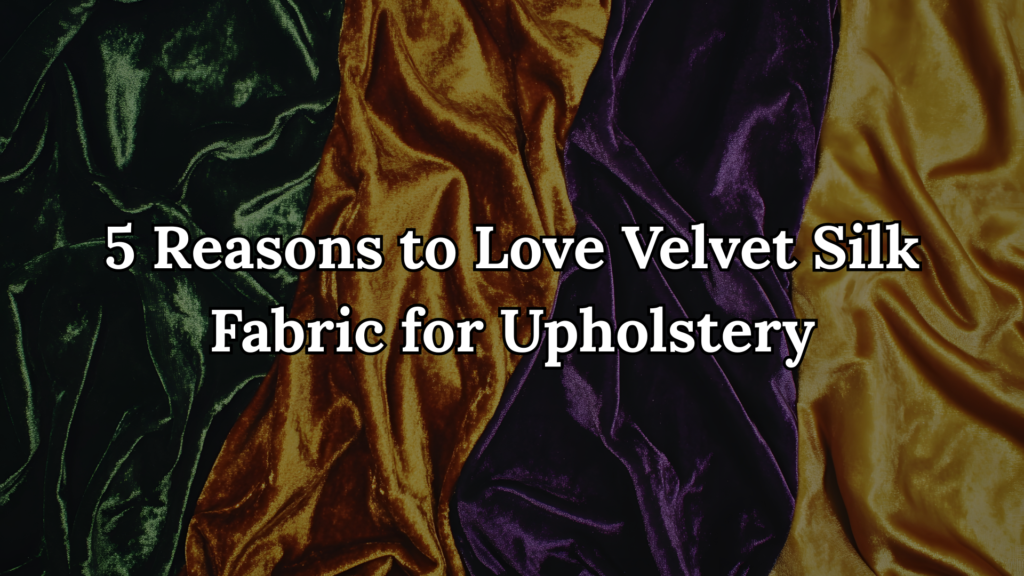
Velvet silk fabric has long been celebrated in the world of interior design for its luxurious texture, elegant sheen, and timeless appeal. Whether used on sofas, chairs, ottomans, or cushions, this fabric transforms ordinary furniture into statement pieces. Its combination of softness, durability, and visual richness makes it a top choice for homeowners and designers looking to elevate living spaces. Unlike synthetic alternatives, velvet silk fabric provides a unique tactile experience that invites comfort while adding a touch of sophistication. When paired with complementary materials, such as embroidered velvet fabric, the result is a layered, luxurious look that enhances both modern and traditional interiors. In this article, we explore five compelling reasons to love velvet silk fabric for upholstery, along with additional insights into its versatility, maintenance, and value as a long-term interior investment. 1. Unmatched Luxury and Elegance The primary reason to choose velvet fabric is its unparalleled elegance. The combination of silk’s smoothness and velvet’s plush texture creates a fabric that is both visually captivating and soft to the touch. Its subtle sheen adds depth to furniture, reflecting light in a way that highlights the contours and design details of sofas, chairs, and headboards. This luxurious fabric instantly elevates the aesthetic of any room. Sofas upholstered in velvet silk fabric become focal points, commanding attention without overwhelming the space. When paired with embroidered velvet fabric accents, such as cushions or decorative panels, the overall effect is even more refined, combining intricate detailing with the natural luster of silk and velvet. Interior designers frequently use this fabric to create sophisticated settings, whether it’s a formal living room, a cozy lounge, or a boutique-style interior. Its versatility allows it to complement a wide range of design styles—from classic Victorian aesthetics to sleek contemporary layouts. 2. Exceptional Comfort and Softness Comfort is a crucial factor when selecting upholstery materials, and velvet silk fabric excels in this domain. Its smooth, plush surface is inviting, creating a seating experience that is both comfortable and luxurious. Unlike coarse or synthetic fabrics, it provides a soft touch that is gentle on the skin, making it perfect for furniture that is used daily. The softness of this premium interior fabric ensures that sofas, armchairs, and chaise lounges offer a welcoming feel, encouraging relaxation and enjoyment. Over time, high-quality velvet fabric retains its plush texture, provided it is properly maintained. Incorporating embroidered velvet fabric as accent pieces adds a tactile dimension to furniture, offering contrast and visual richness. The combination of these fabrics creates an ambiance that is both sophisticated and inviting, ensuring that living spaces are comfortable yet elegant. 3. Versatility in Design and Color Another standout feature of velvet silk fabric is its remarkable versatility. Available in a wide range of colors—from deep jewel tones like sapphire, emerald, and ruby to soft neutrals and pastels—this fabric can complement virtually any interior color palette. Designers also have the option to select patterned or textured versions, such as embroidered velvet fabric, to introduce unique visual elements. Whether for a statement sofa, accent chairs, or decorative cushions, these fabrics allow homeowners to experiment with style while maintaining cohesion in the room. Additionally, velvet fabric pairs seamlessly with other interior materials, including natural wood, metal, glass, and stone. This makes it ideal for creating layered designs, combining textures and colors to achieve a rich and harmonious aesthetic. Its flexibility ensures that it can be incorporated into both contemporary and traditional interiors without compromise. 4. Durability and Longevity Despite its luxurious appearance, velvet fabric is surprisingly durable. The tight weave of the velvet and the resilience of silk fibers make it a strong and long-lasting material suitable for everyday use. Furniture upholstered in this fabric can withstand regular wear while maintaining its elegance, unlike many synthetic alternatives that flatten or fade over time. Proper maintenance, such as gentle brushing, regular vacuuming, and professional cleaning, helps preserve the fabric’s softness, color, and sheen. As a result, velvet silk fabric becomes not only a beautiful choice for furniture but also a practical investment. Its durability ensures that sofas, chairs, and cushions retain their aesthetic appeal and tactile comfort for years. 5. Timeless Appeal and Value Velvet silk fabric is a timeless material that transcends trends. Its combination of softness, luster, and aesthetic richness ensures that furniture remains stylish for decades. Investing in this fabric means choosing pieces that will continue to look elegant and sophisticated, regardless of evolving design trends. The use of embroidered velvet fabric as complementary accents enhances the sense of luxury and adds a custom, tailored feel to interiors. This layered approach ensures that living spaces not only look beautiful but also exude warmth and personality. From a practical standpoint, furniture upholstered with high-quality velvet fabric often maintains its value over time. The durability and enduring beauty of this fabric make it a sound investment, particularly for homeowners looking to combine comfort, style, and long-term functionality. Additional Benefits of Velvet Silk Fabric Beyond its five primary advantages, velvet silk fabric offers several other benefits that make it an exceptional choice for upholstery: Caring for Velvet Silk Fabric Proper maintenance is essential to ensure that velvet fabric retains its elegance and softness over time. Here are professional care tips: Following these steps ensures that velvet silk fabric remains soft, vibrant, and luxurious for years. Why Interior Designers Prefer Velvet Silk Fabric Interior designers favor this premium upholstery fabric for multiple reasons: These qualities make velvet silk fabric an ideal choice for high-end residential and commercial projects, where comfort, aesthetics, and longevity are equally important. Professional Upholstery Services by The Fast Interior Studio DHA Homeowners looking to incorporate velvet silk fabric into their interiors need expert guidance. The Fast Interior Studio DHA is a premier interior design studio in Lahore, specializing in high-quality upholstery and full-scale interior design solutions. Their services include: With The Fast Interior Studio DHA, clients benefit from professional design expertise, premium materials, and flawless execution, ensuring that interiors using velvet fabric are both luxurious and functional.
5 Reasons to Love Velvet Silk Fabric for Upholstery Read More »